Author name: mgjin

news

Türkiye’s Renewable Energy Roadmap for 2035

The roadmap for renewable energy in 2035 has been unveiled. Minister of Energy and Natural Resources, Alparslan Bayraktar, announced plans to achieve a total installed capacity of 120,000 megawatts in wind and solar energy by 2035. To meet this goal, 2,000 megawatts of wind (RES) and solar (GES) energy auctions will be conducted annually. First Auction Under the New ModelSharing details of the new auction model, Minister Bayraktar stated their goal to reduce permitting processes, which currently take up to 48 months, to less than two years. He emphasized the need for a robust and modern infrastructure, aiming to connect Turkey from east to west and north to south with 40,000 megawatts of HVDC corridors. $108 Billion Investment and Reform PlanBayraktar announced a comprehensive investment and reform process totaling $108 billion, calling for all stakeholders to work with a spirit of mobilization to achieve these ambitious goals. Targets for 2035At the “Energy Transition–Renewable Energy 2035” launch meeting, Minister Bayraktar outlined Turkey’s renewable energy goals:⦁ Wind and Solar Energy: Achieving a total installed capacity of 120,000 megawatts by 2035.⦁ Annual Growth: Adding at least 7,500–8,000 megawatts of new capacity every year.⦁ Diversification and Digitization: Meeting rising electricity demand through energy diversification and increased digitization. Record Production in Natural Gas and OilMinister Bayraktar highlighted record achievements in natural gas and oil production to enhance energy security:⦁ Gabar Mountain: Daily production of 51,000 barrels of oil.⦁ Sakarya Gas Field, Black Sea: Daily production of 7.2 million cubic meters of natural gas, with plans to increase this to 9.1 million cubic meters by 2025. Five Priorities for TransformationBayraktar listed five key priorities for transforming Turkey’s energy sector:⦁ Natural Gas and Oil Production: Increasing the use of domestic resources.⦁ Renewable Energy Auctions: Conducting annual 2,000-megawatt wind and solar energy auctions.⦁ Grid Modernization: Upgrading the electricity grid to “Champions League” standards with 40,000 megawatts of HVDC corridors.⦁ Diversification and Digitization: Strengthening energy sources and demand-side management through advanced technologies.⦁ Regional National Champions: Modernizing state enterprises like TEİAŞ, BOTAŞ, and EÜAŞ to make them globally competitive. Current Status of Renewable EnergyMinister Bayraktar also highlighted Turkey’s current renewable energy capacity:⦁ 2005: 12,975 megawatts, accounting for 33% of total installed capacity.⦁ September 2024: 67,400 megawatts, with renewable energy now representing 59% of total capacity. Super PermitsBayraktar emphasized plans to accelerate processes like Environmental Impact Assessments (EIA) using a super permit mechanism, reducing permitting timelines to less than two years. The first auctions under this new model were also announced:⦁ October 28: 1,200 megawatts across 5 wind energy projects.⦁ November 4: 800 megawatts across 6 solar energy projects. A New Energy Architecture for TurkeyBayraktar stressed the need for a new energy architecture to keep pace with global transformations, saying, “We are building this new architecture to ensure supply security, reduce dependency on imports, and achieve our 2053 net zero emissions target.” With electricity demand expected to reach 510 terawatt-hours by 2035, a “silent energy revolution” will be necessary to meet these needs.With these ambitious goals and reforms, Turkey is poised to become a global leader in renewable energy.

news

Türkiye’s 250.000 Social Housing Project: First Tender Completed

Turkey’s ambitious 250 Thousand Social Housing Project, launched under the “My First Home, My First Workplace” initiative, has reached a significant milestone. Minister of Environment, Urbanization, and Climate Change Murat Kurum announced that as of October, tenders for 88,743 housing units have been completed, and 24,343 housing units have been allocated to their rightful owners. A Focus on the Earthquake ZoneIn a statement shared on his social media account, Minister Kurum emphasized that the aftermath of the February 6, 2023, Kahramanmaraş-centered earthquakes has placed the 11 affected provinces at the forefront of the ministry’s agenda. Despite the challenges, the ministry remains committed to fulfilling its promises. The First Tender HeldMinister Kurum detailed the progress as follows:“We experienced some delays in the ‘My First Home, My First Workplace’ project, but we never stopped. As of October, we have completed the tender process for 88,743 housing units and determined the beneficiaries for 24,343 of these homes. While we continue to fulfill our promises in the earthquake-affected areas, we have also set a new timeline for the largest social housing initiative in the history of the Republic. Today, we held the first tender of this new phase. Everything we promised has been delivered, and we will continue to deliver.” The Largest Social Housing Initiative in HistoryThe 250 Thousand Social Housing Project aims to address the housing needs of low-income citizens by providing affordable, quality housing. The initiative is seen as the largest social housing move in Turkey’s history, offering a lifeline for those struggling to secure adequate housing, especially in the aftermath of the devastating earthquakes.The completion of the first tender marks an important step forward, signaling that the project is gaining momentum despite earlier setbacks. As the government presses ahead with its commitments, thousands of families are closer to realizing their dreams of homeownership.

blog

Maximizing Hotel Investments with EKSI GLOBAL

Maximizing Hotel Investments with EKSI GLOBAL: Your Expert Partner in Project ConsultancyHotel construction projects require strategic planning, technical expertise, and meticulous management to ensure success. At EKSI GLOBAL, we specialize in offering end-to-end consultancy services that empower investors to navigate the complexities of hotel development. Our core services include Construction Management, Design Management, Cost Management, Project Management, Technical Evaluation, Credit Monitoring Services, and Green Building Consultancy—designed to maximize the value of your investment at every stage.When Should You Involve EKSI GLOBAL in Your Project?For optimal results, involving EKSI GLOBAL from the very beginning of your hotel project is key. While many investors seek consultancy services after acquiring land or determining a project concept, our expertise is most impactful when engaged during the initial planning phases. Early involvement allows us to assist with critical decisions, ensuring efficient execution, cost optimization, and seamless integration of project elements.We offer tailored solutions for each phase of development, acting as the technical partner investors can trust to deliver successful projects from conception to final handover.EKSI GLOBAL’s Comprehensive ApproachAt EKSI GLOBAL, our process begins with a deep dive into your project’s unique goals and challenges. During the planning stage, we offer services such as technical evaluations, preliminary cost analysis, budget projections, and design reviews, helping investors make well-informed decisions. Once the project moves forward, we take a hands-on approach to ensure each phase—from design and procurement to construction and quality control—meets the highest standards.We don’t just manage projects; we collaborate with clients as partners, aligning every detail of the project with their vision while mitigating risks and optimizing outcomes.Why Partnering with EKSI GLOBAL Makes a DifferenceEngaging a specialized consultancy firm like EKSI GLOBAL provides critical benefits to investors. Our team of seasoned experts ensures that your project is delivered with uncompromising quality, adhering to established budgets and timelines. Beyond project oversight, we ensure accountability for technical excellence, a crucial aspect of success in complex hotel investments.Hotel projects are inherently intricate, often requiring the integration of specialized systems, high-end materials, and strict brand standards. With our experience, we’ve seen how professional consultancy can reduce project costs by 10% or more, ensuring both immediate and long-term savings. These efficiencies underscore the undeniable value of experienced project management.Emerging Trends in Domestic and International Hotel ProjectsThe demand for consultancy services varies between domestic and international investors. While foreign investors and global hotel chains often prioritize structured project management, domestic investors in Turkey are increasingly recognizing the advantages of these services. Many local investors turn to us for cost control, supervision, and detailed oversight, reflecting a growing awareness of the benefits of consultancy.However, domestic investors often face unique challenges. Unlike international firms that typically adhere to strict design guidelines, individual investors may lack such predefined standards, leading to frequent changes during design and construction phases. This can result in increased costs and delays, further highlighting the importance of engaging a consultancy firm to streamline the process.Key Recommendations for Hotel InvestorsTo ensure the success of your hotel project, we recommend engaging a consultancy firm as early as possible. By dividing construction into smaller, manageable work packages—such as excavation, structural work, finishing, and electromechanical systems—you can reduce risks, distribute responsibilities, and optimize costs. At EKSI GLOBAL, we specialize in managifng these packages cohesively, ensuring every phase of the project runs smoothly.Another critical aspect is sustainability. Incorporating green building principles not only aligns with global trends but also enhances long-term operational efficiency. Our expertise in sustainable construction ensures that your investment remains competitive and environmentally responsible.The Growing Role of Project Consultancy in TurkeyWhile project management services are well-established internationally, the concept is gaining momentum in Turkey. Foreign investors and institutionalized companies still dominate the demand for these services, but domestic investors are beginning to see their value. Consultancy costs in Turkey, typically 1% to 3% of the total investment, are a small price to pay for avoiding costly errors and maximizing returns.This shift indicates a growing awareness of the strategic advantages provided by expert consultancy, which can mitigate risks, enhance quality, and improve overall project outcomes.Should Consulting Services Be a Legal Requirement?Though project management isn’t legally mandated in most countries (except Germany), there is a growing push to recognize its importance in sectors like real estate and construction. In Turkey, Building Inspection has been mandatory for two decades, but its focus remains on structural safety and material compliance. Comprehensive project management, on the other hand, is often overlooked despite its ability to enhance overall project quality.To elevate the industry, EKSI GLOBAL believes that project management firms must prioritize expertise, modern systems, and innovative methodologies. By bridging the gap between design, execution, and financial management, we aim to set a new benchmark for consultancy services in Turkey and beyond.Partner with EKSI GLOBAL for Your Next Hotel ProjectInvesting in a hotel is a significant decision that demands expertise and foresight. At EKSI GLOBAL, we offer more than just consultancy services—we provide peace of mind, ensuring that every aspect of your project is executed flawlessly. Whether you’re a domestic investor exploring new opportunities or an international company seeking a reliable partner, EKSI GLOBAL is here to transform your vision into reality.Let us guide your project to success, delivering exceptional results that exceed expectations. Reach out to EKSI GLOBAL today to start building the future of hospitality.

blog

LAST PLANNER® SYSTEM

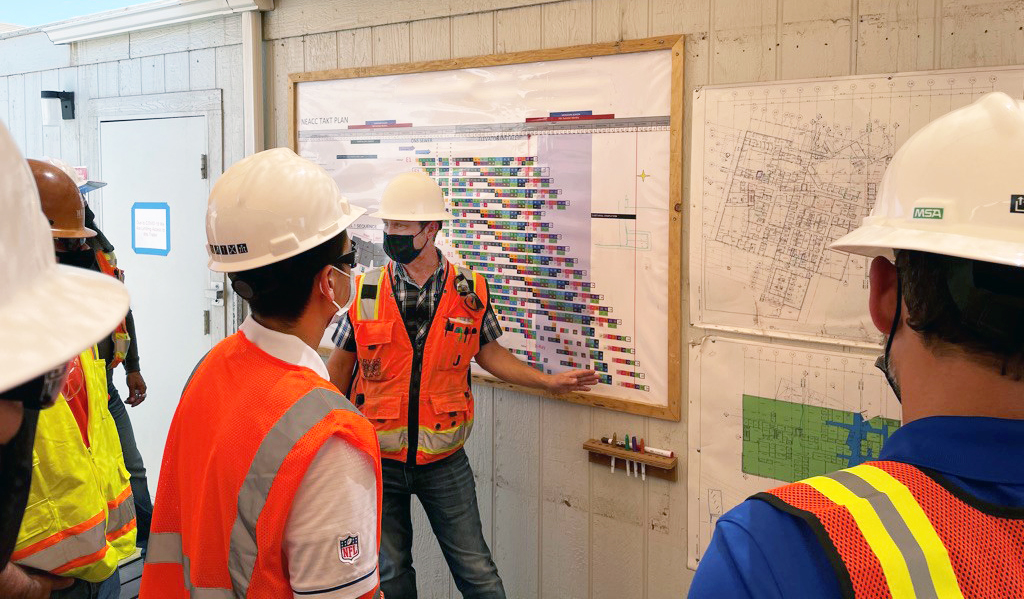
Advantages and ChallengesAdvantages⦁ Improved problem anticipation and proactive resolution.⦁ Reduced stress through distributed workload.⦁ Stabilized workflow and minimized disruptions.⦁ Enhanced collaboration and shorter project timelines.⦁ Better safety statistics and proactive control mechanisms.⦁ Applicability to all types of projects.⦁ Enhanced value creation and decentralized decision-making.Challenges⦁ Resistance to long-term planning due to workload pressures.⦁ Role ambiguity causing confusion between planners and assigners.⦁ Difficulties in monitoring tasks due to inadequate equipment or techniques.⦁ Lack of experience among workers and frequent workforce turnover.⦁ Limited integration with traditional systems.⦁ Incomplete understanding of the theoretical aspects of the system.

blog

Revitalizing Urban Waterways: A Step Against the Climate Crisis

Descriptions of old Istanbul often share a common theme: a city adorned with streams flowing from every corner, showcasing a natural beauty. Historical accounts suggest there were over 400 streams in Istanbul. However, today, more than half of these waterways have dried up or been intentionally destroyed. The remaining streams are either buried underground due to urban development or polluted by uncontrolled waste management, leaving very few active and healthy waterways.Yet, urban waterways are crucial for cities, providing a host of environmental, ecological, and societal benefits. These include preserving biodiversity, controlling floods, replenishing clean water sources, and even occasionally supporting transportation systems. The destruction or neglect of these waterways, on the other hand, exacerbates numerous problems, particularly in the face of the ongoing climate crisis. The Impact of Losing Urban WaterwaysIncreased Flood RisksOne of the most significant consequences of drying up and concreting urban waterways is the heightened risk of flooding. Former streambeds that have been developed into urban areas often become hotspots for flooding during even moderate rainfall. This happens because natural water pathways are obstructed, leading to water accumulation and subsequent floods. The impermeable surfaces of urbanized areas, such as asphalt and concrete, prevent rainwater from seeping into the soil, further increasing flood risks.Disruption of Natural CyclesThe loss of urban waterways disrupts natural cycles of water absorption, evaporation, and vegetation support. Rainwater that cannot percolate into the soil or evaporate gets trapped, reducing the soil’s ability to filter pollutants and sustain plant life. This leads to a loss of natural purification processes and deprives plants and ecosystems of the water they need to thrive. Additionally, the inability of water to evaporate intensifies urban heat islands, making cities hotter and less livable.Harm to Biodiversity and EcologyConcreting streambeds and surrounding areas eliminates critical habitats for many species. Fish lose breeding grounds, migratory birds and other wildlife lose essential rest stops, and the ecological balance deteriorates. The destruction of these ecosystems not only endangers biodiversity but also diminishes the quality of life in urban environments. The Benefits of Revitalizing Urban WaterwaysRestoring and revitalizing urban waterways offer multiple benefits, particularly in combating climate change and creating sustainable urban spaces:⦁ Flood Prevention: Preserving natural water pathways reduces flood risks by allowing rainwater to seep into the ground and flow naturally.⦁ Ecological Preservation: Protecting green areas around watercourses supports biodiversity and sustains urban ecological richness.⦁ Mitigating Urban Heat Islands: Increased vegetation and water evaporation help lower urban temperatures and create more comfortable living conditions.⦁ Replenishing Clean Water Sources: Maintaining natural flow directions enables rainwater to feed underground reserves and ensures the sustainability of clean water supplies.⦁ Enhancing Urban Resilience: Replacing impermeable surfaces with natural elements strengthens cities’ ability to adapt to and withstand the impacts of climate change. What Can Be Done?⦁ Streambed Restoration: Urban waterways should be restored to their natural flow, and their surroundings should be transformed into green spaces.⦁ Sustainable Urban Planning: Future urban projects must prioritize the protection of natural water systems.⦁ Scientific Research and Projects: Efforts should be grounded in scientific studies to ensure effective restoration and adaptation to climate change.⦁ Public Awareness Campaigns: Educating communities about the importance of waterways can garner public support for conservation initiatives. Conclusion:Revitalizing urban waterways provides a robust defense against the impacts of climate change. By addressing challenges such as heavy rainfall, floods, droughts, the depletion of clean water sources, and the loss of ecological richness, cities can create a more sustainable future. However, achieving this requires immediate and determined action. Restoring urban waterways not only ensures ecological balance but also helps cities breathe, thrive, and endure in the face of a changing climate.

Scroll to Top